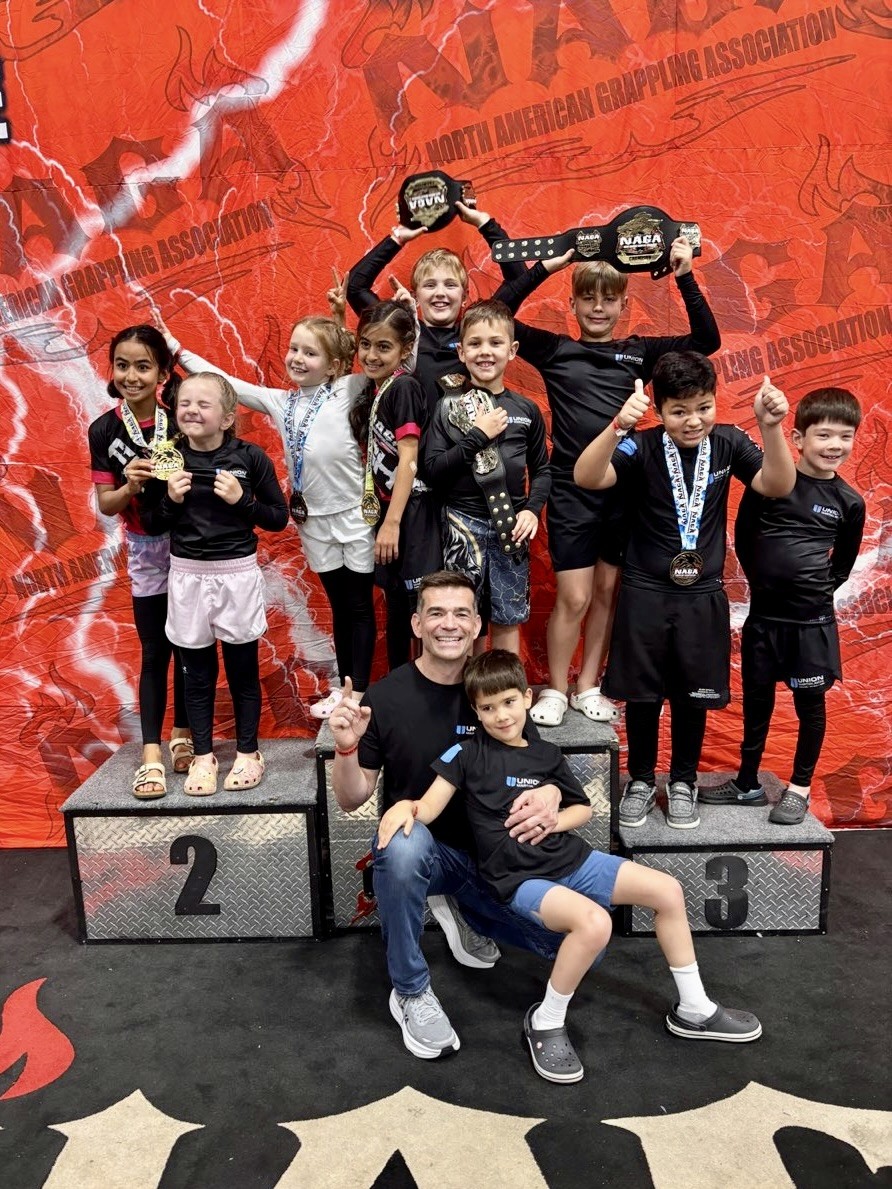
Jiu-Jitsu vs. Tae Kwon Do for Kids: What Parents Should Consider
Before we discuss these martial arts, consider the difference between piano and drums. Sure, both are musical instruments, but learning each one is a very different experience.
The same is true with Jiu-Jitsu and Tae Kwon Do. Both are martial arts, but the training experience is vastly different. Different enough that I would encourage parents to have their children try both and experience that difference firsthand.
Most parents are not trying to settle a debate about which martial art is best. They are trying to figure out what kind of training will help their child build confidence, develop self-discipline, and learn skills that will help them protect themselves in a real-world bullying situation.
Both Jiu-Jitsu and Tae Kwon Do can be positive for kids when they are taught well. But they build those qualities in very different ways.
Why Jiu-Jitsu Is Different
In Jiu-Jitsu, the vast majority of your child’s training will be with a partner who is resisting and actively working to stop them.
Jiu-Jitsu is physical chess. It is dynamic and constantly changing. Your child learns how to stay calm when they are uncomfortable, challenged, or at a disadvantage. They learn how to make decisions under pressure, adjust in real time, and find out quickly what actually works and what does not.
Over time, they begin to trust their skill, their composure, and their ability to work through difficulty without freezing or panicking.
With consistency, that style of training builds a kind of confidence that is hard to fake because it has been tested over and over again in the training room.
Sparring, or “Rolling,” from the First Day
One of the biggest differences with Jiu-Jitsu is that kids begin live sparring, or “rolling,” from their very first class.
That is a big part of why they improve and why they enjoy it so much. “Rolling” is fun, engaging, and an incredible workout. More importantly, it gives kids a chance to apply what they are learning in real time.
At Union, safety is paramount when pairing kids up. New students are not thrown into random pairings. We pay close attention to the challenge point each child offers and make the best pairings possible.
In the beginning, a new student needs the right partner and the right challenge point. That is how children improve and build confidence, little by little. They need enough resistance to learn, but not so much that the experience becomes discouraging or unsafe.
If a Bullying Situation Turns Physical
Sparring against a resisting partner is not a side feature of Jiu-Jitsu. It is the heart of it.
Many real physical situations involving kids get close very quickly. They become messy and hard to control. Bullying situations that turn physical are rarely clean or organized. They can involve grabbing, tackling, falling, scrambling, being put underneath someone, and needing to control another person without losing your head.
That is where Jiu-Jitsu becomes so valuable.
At its core, Jiu-Jitsu teaches a child how to take someone down, control them, escape bad positions, reverse bad situations, and stay calm while doing it. If a child is grabbed, knocked down, pinned, or overwhelmed by someone bigger, those skills are essential.
That does not mean a child should go looking for a fight. It means they are better prepared if something physical happens and they need to handle it.
At Union, we strongly emphasize that the stronger you become in martial arts, the kinder you become, not the opposite. Kids who are strong, confident, and able to handle themselves usually do not have to prove it. Confident kids are less likely to be targets for bullies in the first place.
Our Approach at Union Martial Arts
We want kids to enjoy training and look forward to class. We also want them to build capability from the start.
That is why our classes are designed the way they are. The training is honest, challenging, and appropriate for the child in front of us. It is structured, carefully coached, and built to create steady progress over time.
Our goal is to help children become more disciplined, more confident, more respectful, and tough enough to handle themselves if a bullying situation ever turns physical.
Frequently Asked Questions
What should my child wear to their first Jiu-Jitsu class?
For a trial class, comfortable athletic clothing is usually fine. Once a child enrolls, your school will let you know what gear is needed for regular training. At Union, all of our classes are No-Gi, so kids typically wear rash guards and shorts.
Do kids spar in Jiu-Jitsu right away?
Yes. Kids begin live sparring, or “rolling,” from their first class. That live training is one of the reasons Jiu-Jitsu works so well, and it is also why coaching and partner pairing are so important.
What if my child is shy or not naturally athletic?
That is okay. Most kids grow into Jiu-Jitsu over time. Because the training is hands-on and interactive, it often helps shy kids come out of their shell and helps less athletic kids build strength, coordination, and confidence.
How is Jiu-Jitsu different from other martial arts for kids?
One of the biggest differences is that Jiu-Jitsu prepares kids for the kind of close-range, messy situations that real physical bullying can create. Kids learn how to stay calm, solve problems, escape bad positions, and control another person when things get chaotic.
Union Martial Arts offers Jiu-Jitsu for kids and adults in a disciplined, community-driven environment. All of our Jiu-Jitsu classes are No-Gi, and classes are offered Monday through Saturday.
If you would like to experience Union firsthand, come try a free class and see if it feels like the right fit.

