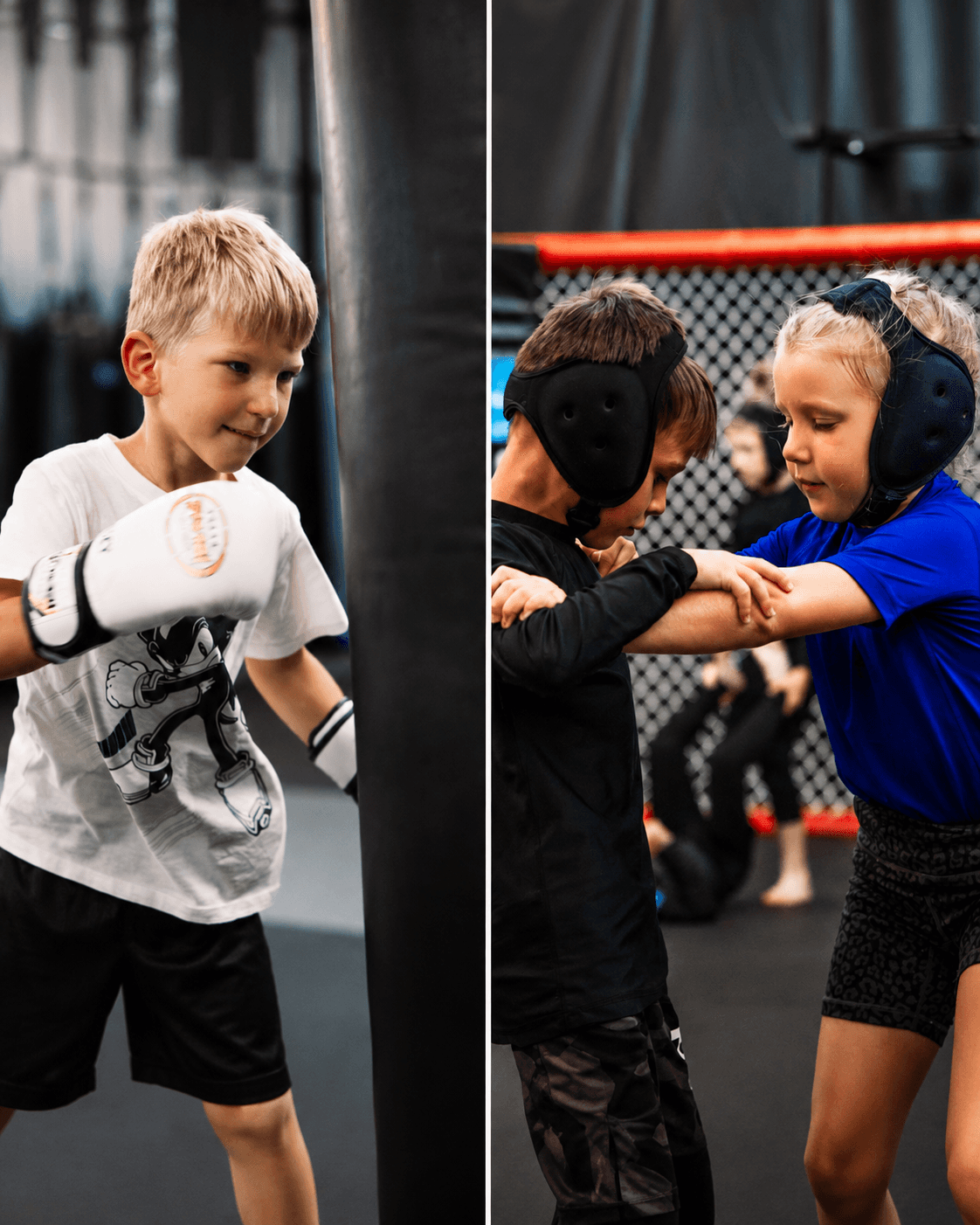
Summer break presents a familiar challenge for parents: ten weeks of unstructured time and a child who needs something to do.
Screen time fills the gap easily. So does boredom. And by August, many parents realize their child spent the summer doing very little that mattered.
This is where martial arts offers a different approach. Summer martial arts programs give kids something most summer activities don't — real structure, physical challenge, and skills that stay with them after the break ends.
Why Summer Is a Great Time to Start
Starting martial arts during the school year means competing with homework, school activities, and the general exhaustion of a full academic schedule. Summer removes most of those conflicts.
Kids who start in the summer get several advantages:
Time to build a foundation. Without the pressure of school, children can focus on learning basics. By the time fall arrives, they've already developed comfort with the routine, the environment, and the fundamental movements. They're not starting cold when schedules get busy again.
Faster adjustment. The first few weeks of martial arts involve the steepest learning curve — new movements, new environment, new expectations. Summer gives kids space to adjust without the added stress of school demands competing for their energy.
Routine before they need it. Children who develop a training routine over the summer carry that structure into the school year. They've already learned to show up, focus, and push through discomfort. When school resumes, this discipline transfers naturally.
Keeping Kids Active When It Matters Most
Physical activity drops significantly during summer break for many children. The structured PE classes and recess periods of the school year disappear, and not every child naturally fills that gap with outdoor play.
Research consistently shows that children who stay physically active during summer return to school in better shape — physically and mentally — than those who don't. The "summer slide" isn't just academic. Physical fitness declines too.
Martial arts addresses this directly. Training three times a week keeps kids moving, building strength and coordination, and maintaining the active habits they need heading into the new school year.
And unlike unstructured play, martial arts training is progressive. Each class builds on the previous one. Kids aren't just burning energy — they're developing specific physical skills.
Structure During Unstructured Months
Here's what many parents discover: their child doesn't actually want unlimited free time. Children often thrive with some structure. They need something to show up for, something that asks them to focus, and something that provides a sense of accomplishment.
Martial arts classes provide exactly that. Two or three sessions per week creates anchors in the week — times when your child knows what's expected of them. The classes have clear routines: a warm-up, instruction, drilling, and sometimes a challenge or game to finish.
This predictability is comforting for kids, even when they'd never admit it. It gives shape to days that might otherwise blend together.
Between classes, kids often practice what they've learned. A kick in the backyard. Shadowboxing in their room. This self-directed practice is a sign that the training is working — the child is engaging with something that matters to them.
What Summer Programs Look Like
Summer martial arts programs generally fall into two categories:
Regular Class Enrollment
This is the most common option. Kids enroll in the gym's standard class schedule and attend throughout the summer. Classes run two to four times per week, and children train alongside other students at their level.
This approach works well for families who want consistency without the full-day commitment of a camp. Kids get structured training sessions and plenty of free time outside of class.
Summer Camps
Many martial arts schools offer week-long summer camps that run during daytime hours, similar to other summer day camps. These typically combine martial arts training with activities like:
Games and team-building exercises
Fitness challenges
Character development discussions
Free time and social interaction
Camps are a good option for parents who need full-day coverage during work hours. They provide extended exposure to the martial arts environment and allow kids to bond with other students more quickly.
The right choice depends on your family's schedule and your child's temperament. Some children prefer the focused intensity of regular classes. Others enjoy the social, full-day experience of a camp.
What Kids Actually Gain
The obvious benefits are physical: coordination, strength, flexibility, and the ability to perform techniques they couldn't do before. These are real and meaningful.
But the less obvious benefits often matter more to parents:
Focus. Martial arts requires paying attention. A child who zones out misses the instruction. Classes train kids to listen, watch, and respond — skills that transfer directly to the classroom.
Frustration tolerance. Techniques don't come easily. Kids learn that struggling with something doesn't mean they should quit. It means they need to keep practicing. This lesson is valuable far beyond the gym.
Confidence earned through competence. Martial arts builds real confidence — the kind that comes from knowing you can do something difficult. This is different from the empty praise kids sometimes receive elsewhere. When a child throws a proper kick after weeks of practice, that confidence is earned.
Social connection. Training partners become friends. The shared experience of working hard together creates bonds that feel different from friendships formed through screens or passive activities.
Making the Most of Summer Training
A few practical suggestions for parents considering summer martial arts for kids:
Start early in the break. Beginning in June gives your child the full summer to develop skills and adjust. Starting in late July means less time to build momentum before school resumes.
Stay consistent. Two to three classes per week is ideal. Attending sporadically undermines progress and makes each class feel like starting over.
Let them be uncomfortable at first. The first week might be hard. Your child might not want to go back. This is normal. Give it three to four weeks before making judgments. Most kids who push through initial discomfort end up loving it.
Don't over-schedule. Martial arts works best when kids have time to absorb what they've learned. If summer is packed with four different camps and activities, the training won't stick as well.
What to Look for in a Program
Not every martial arts program is equal, and the right fit matters — especially for kids trying something new:
Age-appropriate classes where children train with peers, not adults
Coaches experienced with children who balance discipline with encouragement
A welcoming environment for beginners — your child shouldn't feel lost or unwelcome on day one
Clear communication with parents about schedule, expectations, and progress
A focus on development over competition — kids should be building skills, not just winning trophies
Visit the gym. Watch a class. Talk to the coaches. You'll know quickly whether the environment is right for your child.
Frequently Asked Questions
What age is best for starting summer martial arts?
Most programs accept children starting at age 4-5 for introductory classes, with more structured training like kids kickboxing or kids jiu-jitsu beginning around age 6-7. Summer is an especially good time for younger children to start because the reduced schedule pressure allows for easier adjustment.
How many days per week should my child train during summer?
Two to three sessions per week is a good balance for most children. This provides enough frequency to build skills and maintain fitness without overwhelming the summer schedule. Some kids want to train more, and that's fine as long as they're enjoying it and not burning out.
Will my child fall behind if they start mid-summer?
No. Martial arts programs are designed so new students can join at any point. Classes review and reinforce fundamentals regularly. A child starting in July will progress differently than one who started in June, but they won't be left behind.
What if my child doesn't like it?
Give it a genuine try — at least three to four classes over two weeks. Initial discomfort and nervousness are normal and usually fade. If your child genuinely dislikes it after a fair trial, that's okay. Not every activity suits every child. But brief reluctance at the start isn't the same as a true mismatch.
Do summer programs carry over into the school year?
Yes. Skills, belt progress, and class standing carry over. Many families start during summer and continue through the school year, adjusting the training schedule as needed. The habits and routine built during summer make the transition natural.
Is martial arts safe for kids during the summer heat?
Reputable gyms train in climate-controlled indoor facilities. Coaches monitor hydration and manage intensity appropriately. Make sure your child brings water and has eaten before class. Indoor martial arts training is no more affected by summer heat than any other indoor activity.
Union Martial Arts offers year-round kids martial arts programs in Indian Trail, serving families throughout the Charlotte metro area. Summer is when many of our strongest young students first walked through the door.
If you're curious, the best next step is simple: try a class and see how it feels.

