Parents often ask whether their child should do martial arts or team sports. The question assumes these are competing options — that you have to choose one path.
In practice, they complement each other well. Many children do both. And the skills developed in martial arts often make kids better at team sports, not worse.
They're Not Mutually Exclusive
Team sports and martial arts develop different qualities - and both have value.
Team sports teach cooperation, strategy within a group, and how to perform when others depend on you. Martial arts teaches individual accountability, body control, and mental focus under pressure.
Children who train martial arts alongside team sports often stand out. They move better. They listen more attentively. They handle pressure and physical contact with more composure.
The question isn't which to choose — it's what combination serves your child's development best.
What Martial Arts Develops That Team Sports Often Don't
Individual Accountability
In team sports, performance blends with the group. A child can hide in a losing effort or ride along on a winning one. There's value in learning to be part of a team, but there's also a gap: individual responsibility can get diluted.
In martial arts, there's no hiding. Every class, every technique, every moment of effort belongs to the individual child. Progress depends entirely on their work. Setbacks are their own to learn from.
This develops a sense of personal accountability that transfers everywhere — including back to team sports.
Body Awareness and Control
Martial arts training involves precise movements, balance, coordination, and spatial awareness. Children learn to control their bodies in ways that many sports don't require.
This body awareness helps in every physical activity. Kids who train in martial arts often pick up new sports faster because they already understand how to move efficiently.
Composure Under Pressure
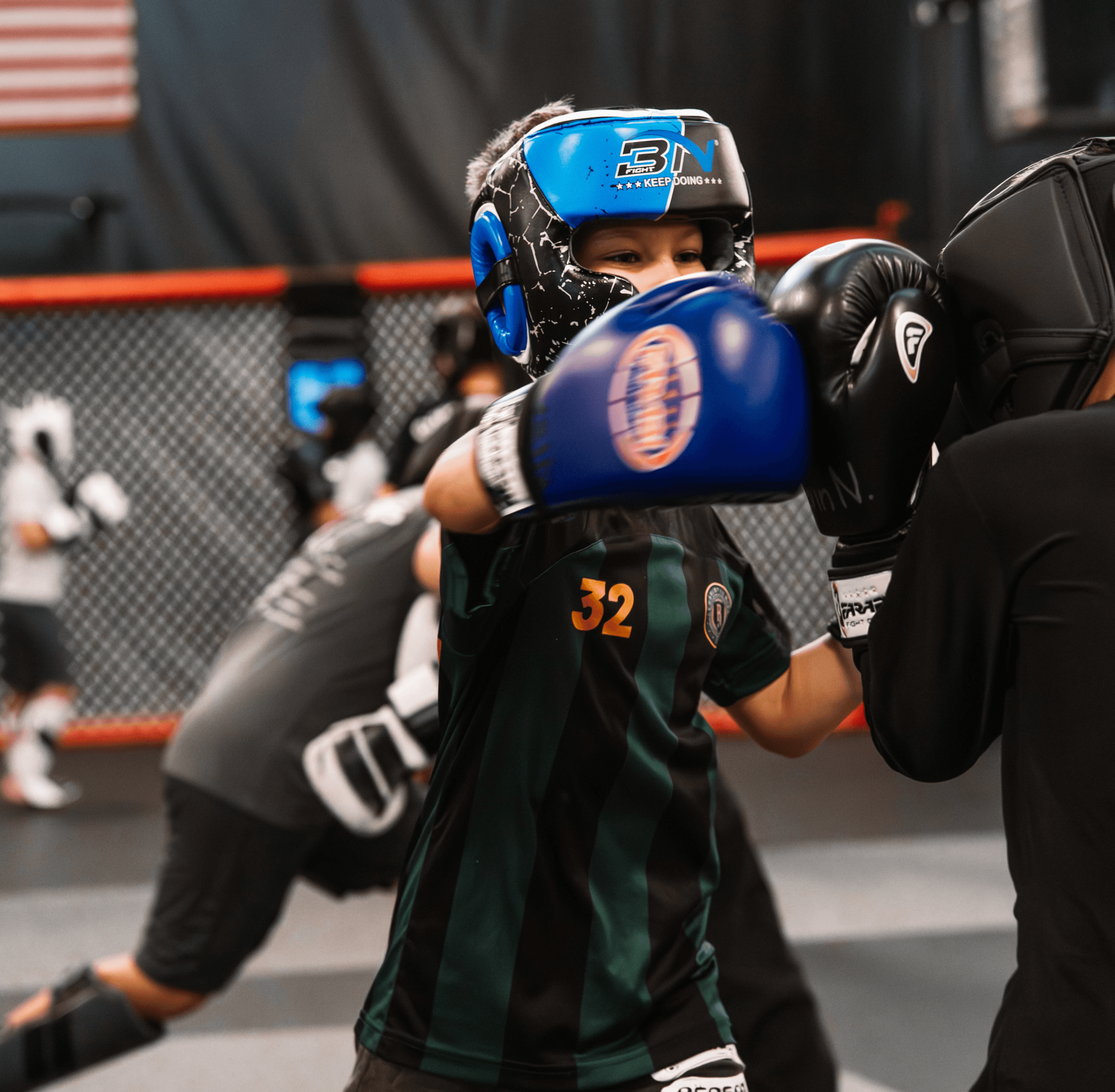
Sparring and live training in martial arts simulate pressure in a controlled environment. Children learn to think and perform when they're tired, when things aren't going well, when someone is actively working against them.
This composure is valuable in team sports during high-pressure moments — but it's often not trained directly in those environments.
Focus and Discipline
Martial arts classes demand attention. Children learn to listen, follow instruction, and stay engaged for the duration of class. This isn't passive sitting — it's active focus while physically working.
Many parents notice improvements in their child's focus at school and in other activities after they begin martial arts training.
What Team Sports Offer
Team sports provide their own essential lessons:
Cooperation — Working toward shared goals with others
Role acceptance — Understanding your position within a larger system
Handling group dynamics — Navigating different personalities and skill levels
Performing for others — The pressure and motivation of teammates counting on you
These are real benefits. Children need opportunities to be part of something larger than themselves.
The most well-rounded young athletes often combine both: the individual development of martial arts with the social dynamics of team sports.
Practical Considerations
Scheduling
Team sports typically have seasons — a few months of intense commitment followed by breaks. Martial arts runs year-round with consistent scheduling.
Many families find it easier to layer martial arts under team sports: train consistently at the gym, and add seasonal team commitments when they make sense.
Physical Development
Team sports can be uneven in physical development. Some kids play positions that don't demand much athleticism. Game time varies based on skill and coach decisions.
Martial arts provides consistent physical training regardless of natural ability. Every child works hard every class. Development is more predictable.
Injury Risk
Contact sports like football carry higher injury rates than martial arts training. This surprises many parents, but recreational martial arts emphasizes controlled practice and proper progression.
For children, martial arts training involves minimal contact initially, building gradually as skills develop.
Year-Round Progress
Seasonal sports mean months without practice between seasons. Skills can regress. Fitness declines.
Martial arts offers continuous development. Children who train year-round make steady progress that compounds over time.
What We See at Union
Many of our young students also play team sports. Baseball, soccer, basketball, football — the variety is wide.
What parents consistently report: their children perform better in those sports after training martial arts. They're more confident and coordinated. They handle contact better. They focus more easily.
The skills transfer. Martial arts doesn't compete with team sports — it enhances them.
The Real Question
Instead of "martial arts or team sports," consider:
What does your child need to develop?
What's missing from their current activities?
What environment do they respond to best?
Some children thrive with the social energy of team sports. Others need the individual focus of martial arts. Many benefit from both.
There's no universal answer. The right combination depends on your child.
Getting Started
If your child already plays team sports and you're considering adding martial arts:
Start with two sessions per week — This is sustainable alongside other commitments
Look for schedule flexibility — Good gyms offer multiple class times
Expect adjustment — New activities take time to feel comfortable
Watch for transfer — Notice how martial arts skills show up in other areas
The investment often pays off quickly. Parents frequently see improvements in their child's other activities within the first few months.
Union Martial Arts offers Kickboxing and Jiu-Jitsu classes for kids ages 4 and up in Union County, NC. Many of our young students also participate in team sports — and their coaches often notice the difference.
If you're curious, the best next step is simple: try a class and see how your child responds.

